 01
01 Literacy Programmes
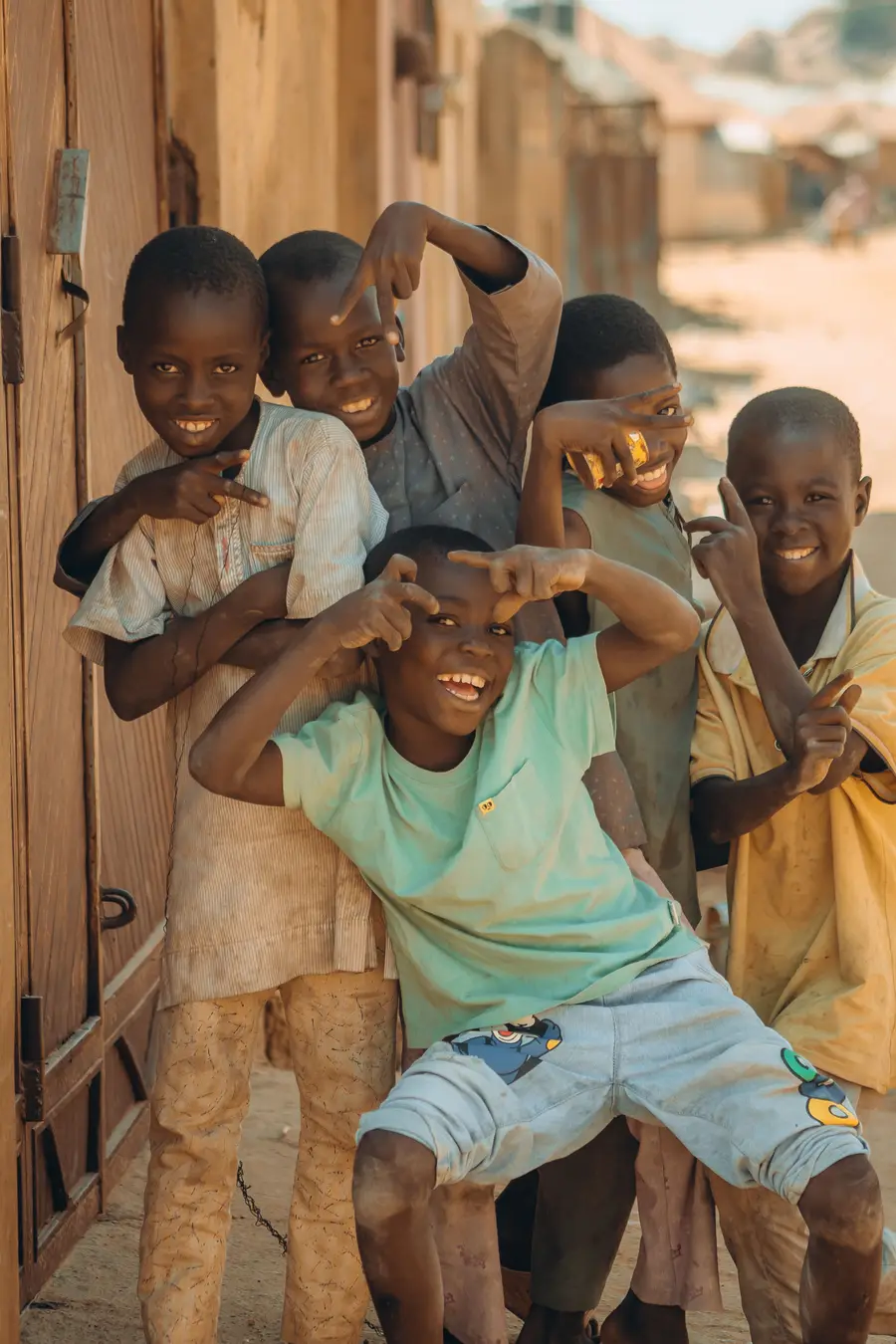
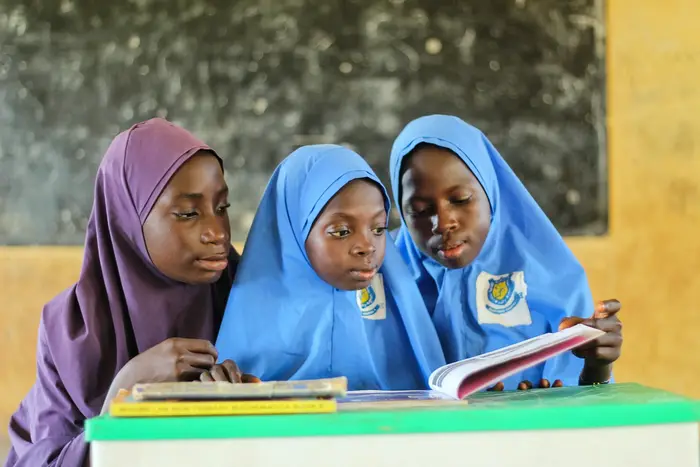
Community-based literacy for children and youth, run in the environments they actually live in, including mobile and seasonal communities.
Advancing literacy for children and youth in marginalised and displaced communities across Africa.
Across Kenya, Ethiopia, and South Sudan, children in pastoralist communities, refugee populations, and arid and semi-arid areas face some of the widest gaps in access to schooling and literacy. Not for lack of talent or ambition, but because seasonal migration, displacement, and education systems built for fixed populations have left them behind.
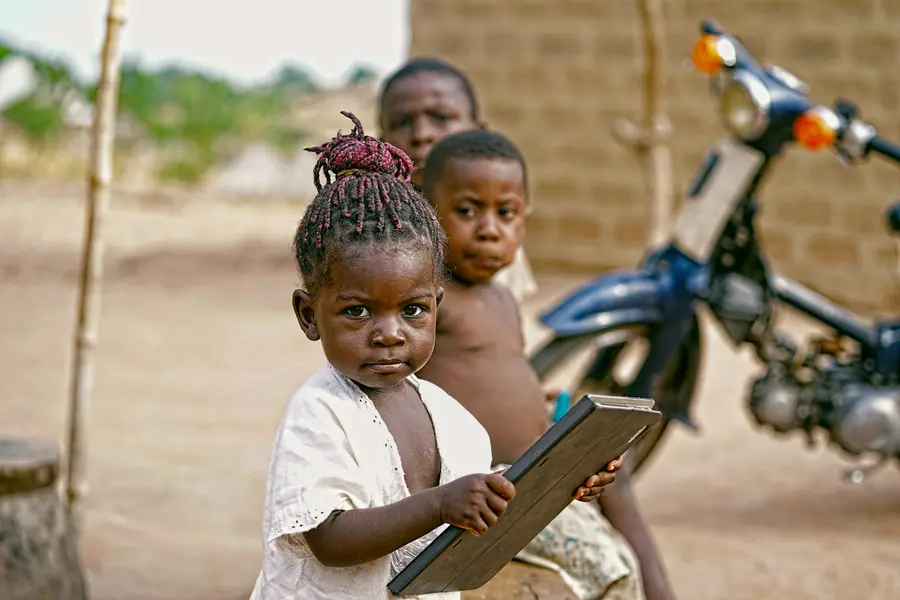
Virtue Literacy Africa works at the intersection of literacy and innovation, including artificial intelligence, to open new pathways for learning, opportunity, and voice for young people whose communities have often been overlooked by conventional systems.
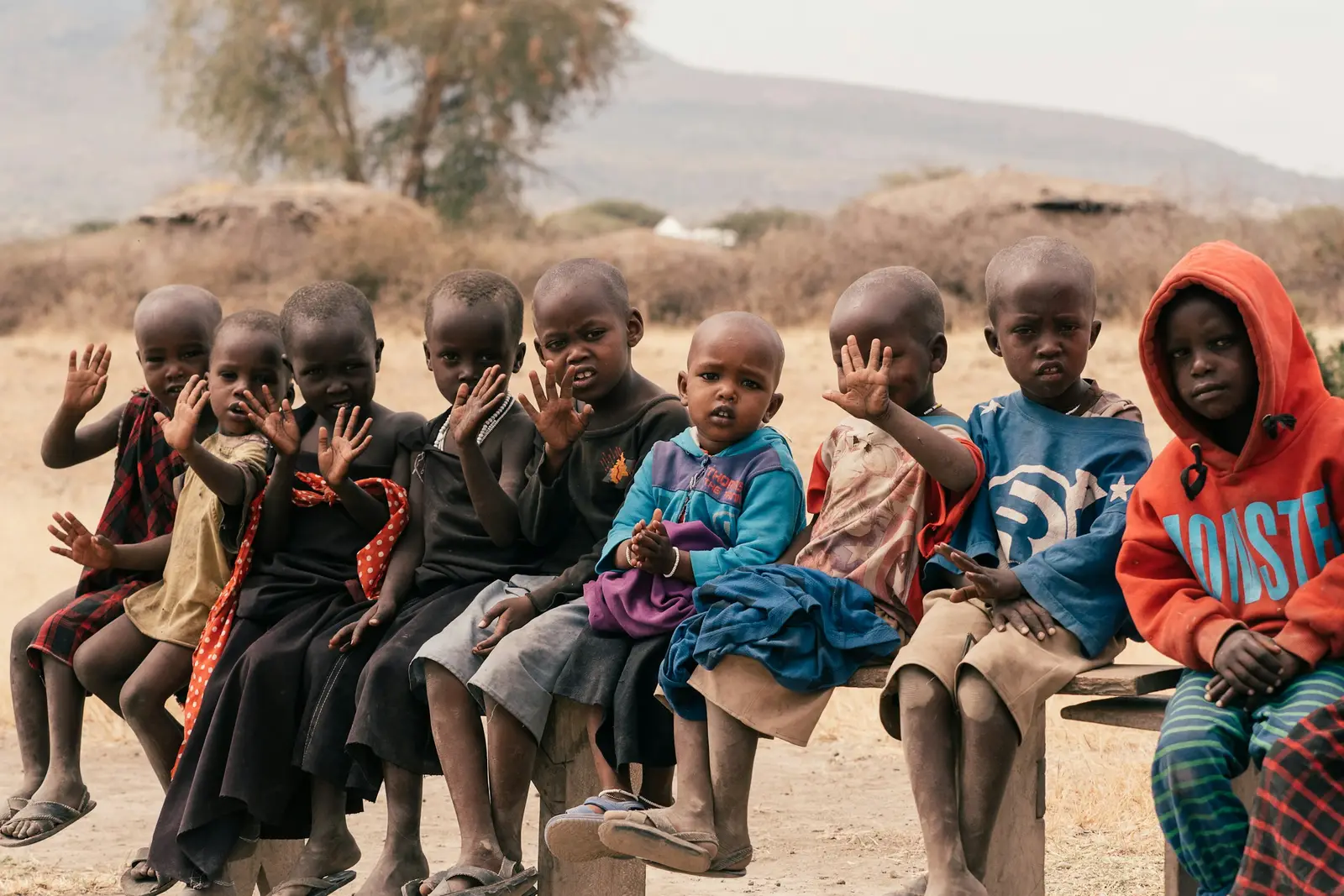
Our work reaches pastoralist communities, refugee populations, and children in arid and semi-arid areas. These are communities that carry deep resilience and hard-won knowledge of adapting to change, yet whose children frequently face the widest gaps in access to schooling and literacy support. The causes are structural: seasonal migration, displacement, dry and unpredictable environments, and education systems that were never designed with mobile or crisis-affected populations in mind.
We close that gap by meeting children where they are, rather than expecting them to fit into systems that were never built for their circumstances.
It is a foundation for dignity, opportunity, and voice. Through community literacy programmes, mobile learning, and community reading spaces, we partner with religious institutions, families, local leaders, and communities to build pathways to literacy that respect and reflect the realities they navigate.
From literacy programmes that travel with the community to evidence that reaches the people making decisions about it.
01 Community-based literacy for children and youth, run in the environments they actually live in, including mobile and seasonal communities.
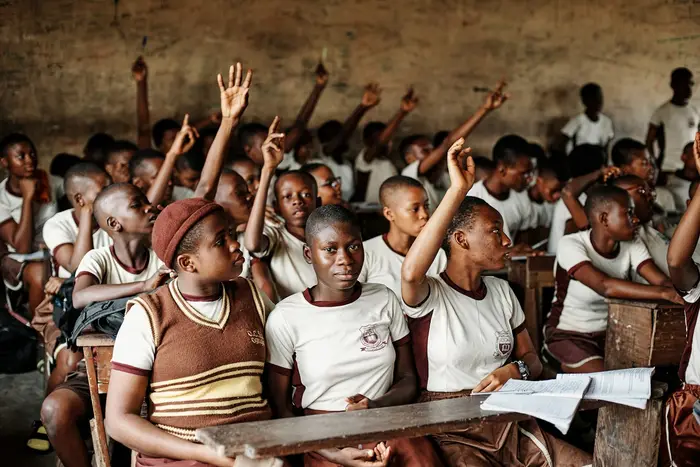 02
02 Learning spaces that adapt to migration, displacement, and the realities of arid and semi-arid areas.
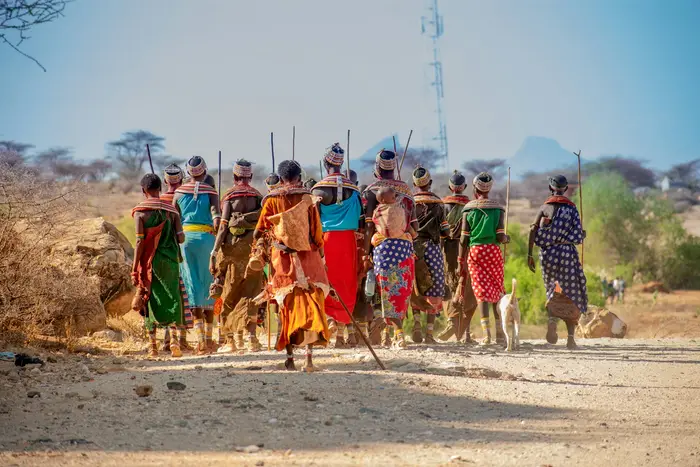 03
03 Tools that widen access to learning, including early developmental screening through Mwangaza AI.
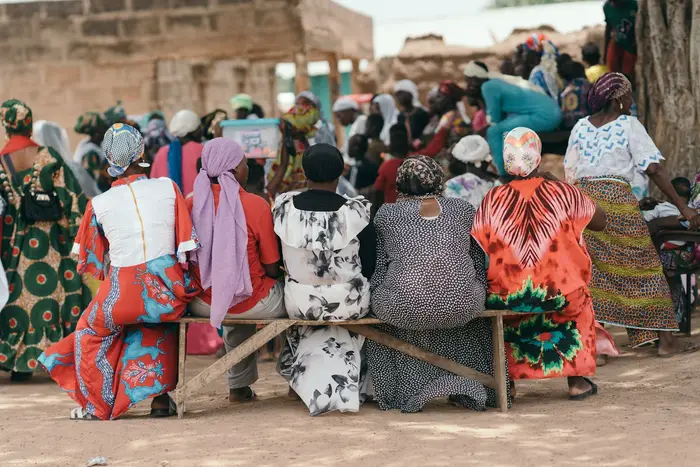 04
04 Families, local leaders, and trusted institutions building literacy pathways that hold.
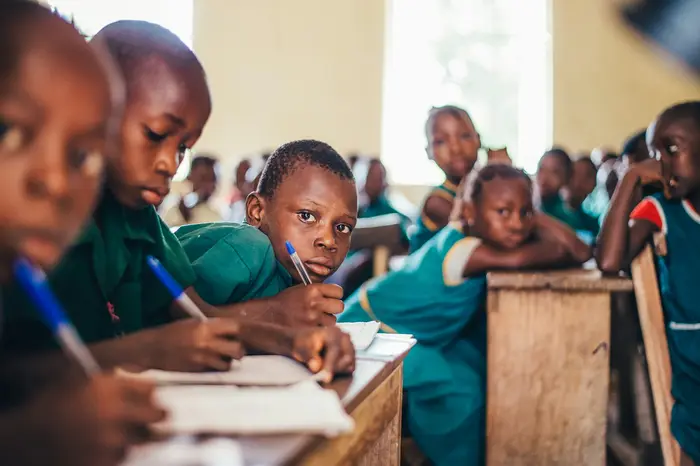 05
05 Findings from our own programmes, shared with educators, policymakers, and development partners.
To advance literacy for children and youth in marginalised and displaced communities across Africa, including pastoralist populations, refugee communities, and children in arid and semi-arid areas, by combining community-rooted programmes, research and evidence-sharing, and innovation, including artificial intelligence.
Refugee and displaced populations, whose schooling has been interrupted, often more than once.
Arid and semi-arid areas, where dry and unpredictable environments and thin provision compound the literacy gap.
Pastoralist communities and children in arid and semi-arid areas, where seasonal migration and distance keep schooling out of reach for part of the year.
As we grow, we aim to extend our reach to more communities facing similar barriers to literacy and learning.
Fund a community reading space, a literacy programme cycle, or a round of developmental screening. Every gift maps to a named deliverable.
Donate →Schools, faith institutions, NGOs, county and national agencies, and development partners.
Start a conversation →Teachers, facilitators, translators, screening specialists, illustrators, and researchers.
Give your skills →We are committed to walking alongside marginalised and displaced communities in Kenya, Ethiopia, and South Sudan, using both tradition and innovation, to make literacy accessible to every child.